

mirror glass for sale
Replacing Water Cut-Off Valves A Comprehensive Guide Water cut-off valves play a crucial role in managing water flow within residential and commercial plumbing systems. These valves help prevent leaks and control the supply of water to various fixtures and appliances. Over time, however, wear and tear can lead to malfunctions, making it essential to replace them promptly. This article will guide you through the process of replacing water cut-off valves, ensuring your plumbing system functions efficiently. Identifying the Need for Replacement Signs that a water cut-off valve needs replacement include difficulty turning the valve handle, visible leaks, or corrosion around the valve. If you notice any of these issues, it’s advisable to address them promptly. Ignoring a faulty valve can lead to significant water damage and increased utility bills. Gathering Necessary Tools and Materials Before embarking on the replacement process, ensure you have the right tools and materials. You will need 1. A new cut-off valve (make sure it matches the size and type of the existing valve) 2. Adjustable wrench 3. Pipe wrench (if necessary) 4. Plumber’s tape 5. Bucket to catch any water 6. Towels or rags for clean-up The Replacement Process replacing water cut off valves 1. Shutting Off the Water Supply Begin by turning off the main water supply to your home. This step is crucial to prevent any water from flowing through the pipes while you work. 2. Draining the Pipes Open faucets connected to the same line as the cut-off valve to drain any remaining water. This will minimize spills when you remove the valve. 3. Removing the Old Valve Use an adjustable wrench to unscrew the old valve. If it’s stuck, a pipe wrench may provide the extra grip needed. Be cautious while removing it, as some water may still be in the pipes. 4. Preparing the New Valve Apply plumber’s tape to the threads of the new valve. This will create a watertight seal when you install it. 5. Installing the New Valve Screw the new cut-off valve into place, tightening it securely with the wrench. Take care not to overtighten, as this could damage the threads. 6. Testing for Leaks Once the new valve is installed, turn the main water supply back on and check for any leaks around the valve. If you notice any leaks, tighten the fittings slightly until the leaks cease. Replacing water cut-off valves may seem daunting, but with the right tools and approach, it can be a manageable DIY task. Maintaining your plumbing system not only enhances its performance but also protects your home from potential water damage. Regular checks and timely replacements will ensure your plumbing remains in top shape for years to come.
about
mirror glass for sale
The Importance of Equipment Vibration Pads in Industrial Settings In today's fast-paced industrial environment, maintaining equipment efficiency and reliability is paramount. One often-overlooked yet crucial component in achieving this is the use of equipment vibration pads. These pads play a significant role in reducing noise, minimizing wear and tear, and enhancing the overall performance of machinery. This article delves into the various aspects of equipment vibration pads, exploring their benefits, types, applications, and maintenance. Understanding Vibration and Its Impact Every piece of machinery generates vibrations during operation. These vibrations can be caused by factors such as imbalances, misalignments, and even external forces. While some vibration is normal, excessive or uncontrolled vibrations can lead to a range of issues, including equipment failure, increased maintenance costs, and employee discomfort. Vibration pads are designed to absorb and dampen these vibrations, thereby protecting both the equipment and the operating environment. Benefits of Vibration Pads 1. Reduction of Wear and Tear By minimizing the vibration transmitted to machinery, vibration pads help to extend the lifespan of equipment. This reduction in movement can significantly decrease mechanical wear, resulting in lower replacement and repair costs. 2. Improved Performance Equipment operating under optimal conditions tends to perform better. Vibration pads can help maintain these conditions by minimizing resonance, a phenomenon that can amplify damaging vibrations and lead to inefficiencies. 3. Noise Reduction Excessive vibrations often lead to increased noise levels. Vibration pads help dampen these vibrations, resulting in a quieter working environment. This is particularly important in settings where noise regulations must be adhered to, such as hospitals or residential areas near industrial sites. 4. Enhanced Safety Equipment that vibrates excessively can become a safety hazard. For instance, loose parts can fall off, creating risks for nearby workers. By stabilizing machinery, vibration pads contribute to a safer workplace. 5. Energy Efficiency Excessive vibrations can lead to energy losses due to inefficiencies within the machinery. Using vibration pads can help ensure that machines operate within their optimal vibration thresholds, leading to energy savings and improved sustainability. Types of Vibration Pads equipment vibration pads Vibration pads come in various materials and designs, each suited to specific types of equipment and operational scenarios. Common materials include rubber, neoprene, and cork, each offering unique properties in terms of durability and vibration absorption. 1. Rubber Pads Known for their durability and excellent vibration-dampening characteristics, rubber pads are often used in heavy machinery applications. They can withstand harsh conditions while providing effective isolation. 2. Neoprene Pads These pads are resistant to oil and chemicals, making them suitable for environments where such substances are present. They provide a balance between flexibility and stiffness, ensuring effective vibration control. 3. Cork Pads As a natural material, cork is an eco-friendly option that provides good shock absorption and sound-dampening qualities. These pads are often used in lighter equipment or in environments where aesthetics are a consideration. Applications of Vibration Pads Vibration pads are versatile and can be applied in a wide range of settings, including - Manufacturing Plants To stabilize heavy machinery such as mills, presses, and lathes. - HVAC Systems To minimize noise and vibrations from air conditioning units and compressors. - Transportation In vehicles, vibration pads can improve comfort and reduce strain on components. - Electronics Sensitive equipment, such as servers and sensitive instruments, benefits from vibration isolation to ensure accuracy and longevity. Maintenance Considerations To maximize the effectiveness of vibration pads, regular inspection and maintenance are essential. This includes checking for wear and tear, ensuring proper placement, and replacing pads that have degraded over time. Regular maintenance not only prolongs the life of the vibration pads themselves but also contributes to the overall health of the machinery. Conclusion In conclusion, equipment vibration pads are a critical aspect of industrial operations. Their ability to reduce noise and vibrations enhances the longevity and efficiency of machinery while also contributing to a safer and more pleasant working environment. By understanding the importance of these pads and selecting the appropriate type for specific applications, industries can significantly improve their operational reliability and effectiveness. Investing in quality vibration pads is not just a maintenance consideration; it is a step towards achieving operational excellence.
-

High quality industrial productsagement

High quality industrial products
View Details -

Meet the diverse needs of customers

Meet the diverse needs of customers
View Details -

Strict quality control

Strict quality control
View Details -

Top raw materials

Top raw materials
View Details -

Trusted supplier

Trusted supplier
View Details
Our application
news and information
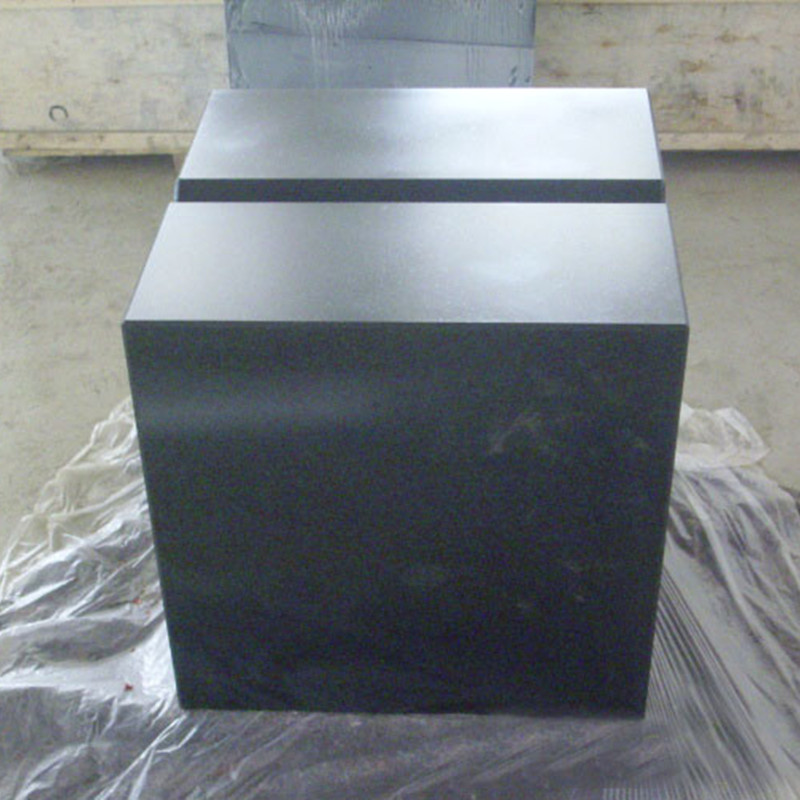
Van cửa niêm phong mềm điện
Van cổng 150mm, một trong những sản phẩm quan trọng trong ngành công nghiệp, đóng vai trò tối ưu hóa
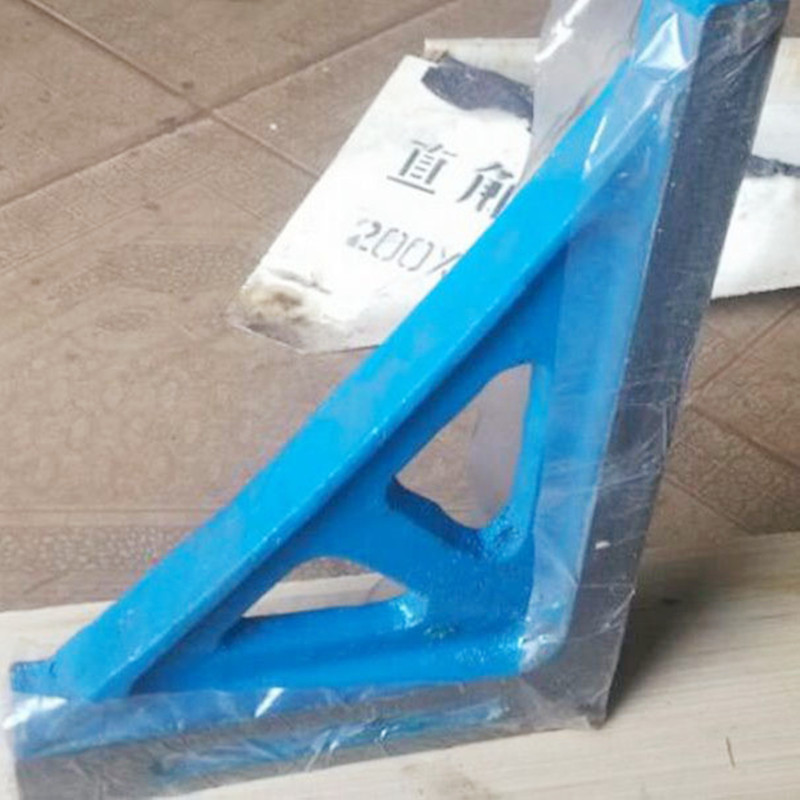
Welding Tables Available for Purchase in Various Sizes and Styles
Welding Tables for Sale A Comprehensive Guide Welding is a fundamental process in various industries
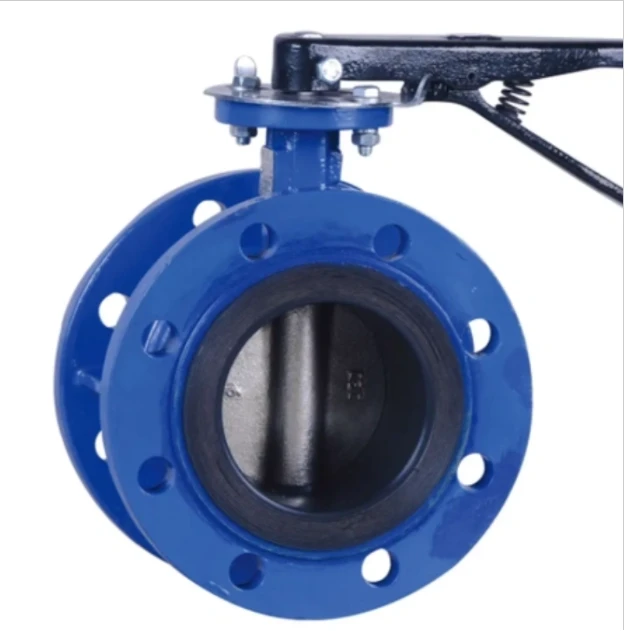
welding table heavy duty
Heavy Duty Welding Tables The Backbone of Metal Fabrication Welding is an essential process in metal
 English